
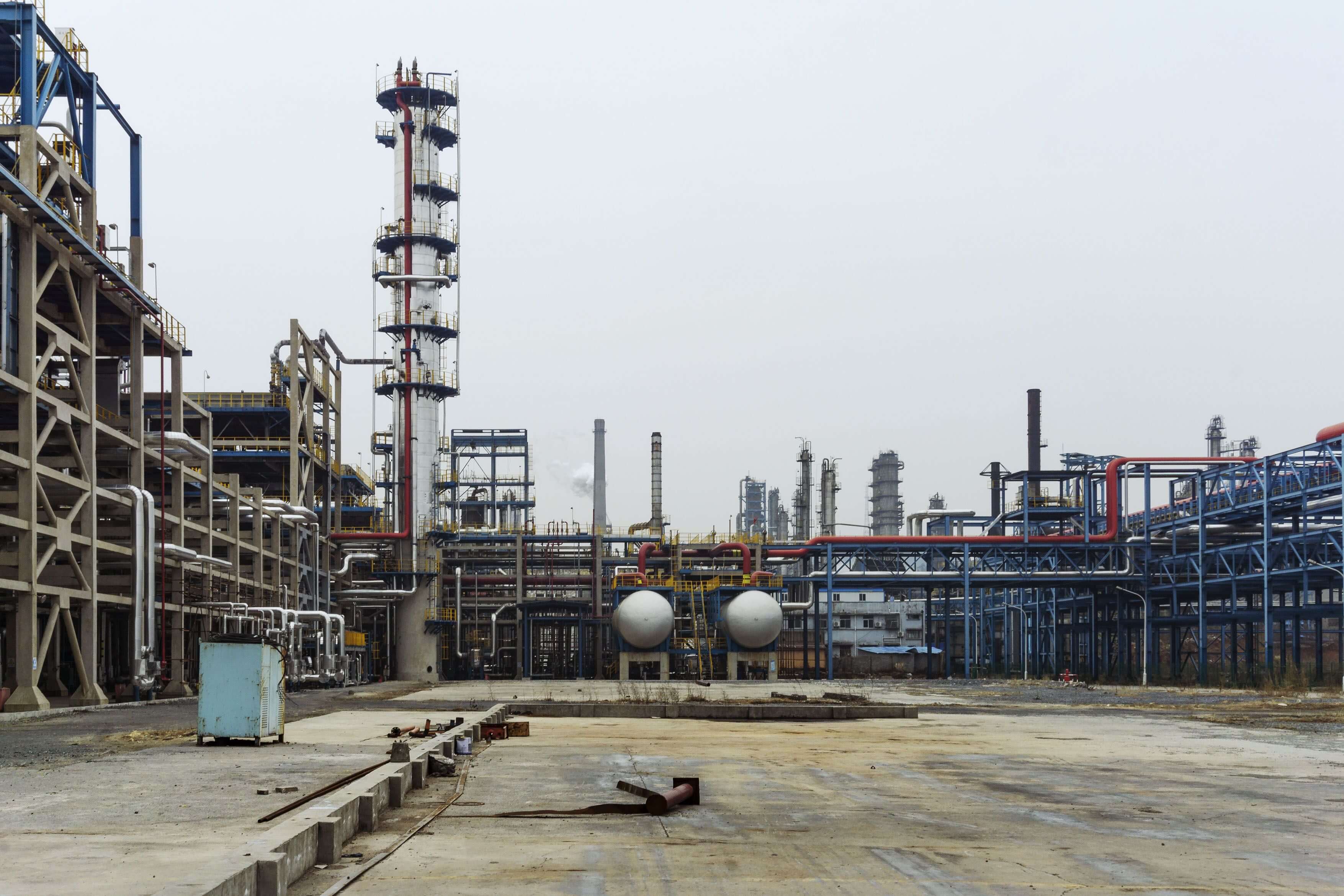
Continuous conversion for difficult mixed plastic streams.
Oleum V1 is designed around the practical reality of Indian and global waste streams: mixed, variable, contaminated and low-value. The platform combines feed preparation, controlled thermal conversion, vapour management and output conditioning so that landfill-bound plastic can be recovered as a usable circular industrial resource.
Platform status
Not clean lab feedstock. Real, variable, landfill-bound plastic.
Oleum V1 is being built around the operational problem that makes waste-to-fuel hard: mixed feedstock variability.
Designed for mixed PE, PP and plastic-rich non-recyclable waste streams
Continuous operating architecture for scale-up beyond lab batches
Integrated vapour handling and pre-condensation control
Built for future third-party validation of fuel/feedstock quality
Modular roadmap from pilot to FOAK commercial operation
Cleaner output while maintaining high liquid recovery.
The supplied lab summary shows reductions in chloride, sulphur, micro carbon residue and acidity after upgrading.
Selected values are from Macana Labs (Macana Analytical Laboratory Private Limited), a NABL accredited laboratory. Selected results are based on third-party testing shared by CarbonM. Application approval still requires partner-specific validation, blending trials and regulatory review.
Have a difficult plastic stream that needs a better recovery route?
CarbonM is open to waste supply, pilot validation and industrial partnership discussions.