
The Consistency Problem
The waste-to-fuel space has made significant technological progress over the past decade. Pyrolysis, gasification, and thermal conversion systems can all transform plastic waste into liquid or gaseous fuels. The fundamental chemistry works.
But there's a gap between producing fuel in a lab or pilot plant and delivering consistent industrial-grade output at scale. This gap has prevented waste-derived fuels from gaining serious traction in demanding applications like marine shipping and heavy industry.
Why It Happens
Waste feedstock is inherently variable. A batch of plastic waste from one source will differ from the next in polymer composition, contamination levels, moisture content, and physical properties. This variability translates directly into output variability — inconsistent calorific values, unpredictable contaminant levels, and batch-to-batch quality swings.
Industrial fuel buyers cannot accept this. A marine engine running on fuel with unexpected viscosity or chlorine content risks damage, downtime, and regulatory non-compliance.
The Intelligence Layer
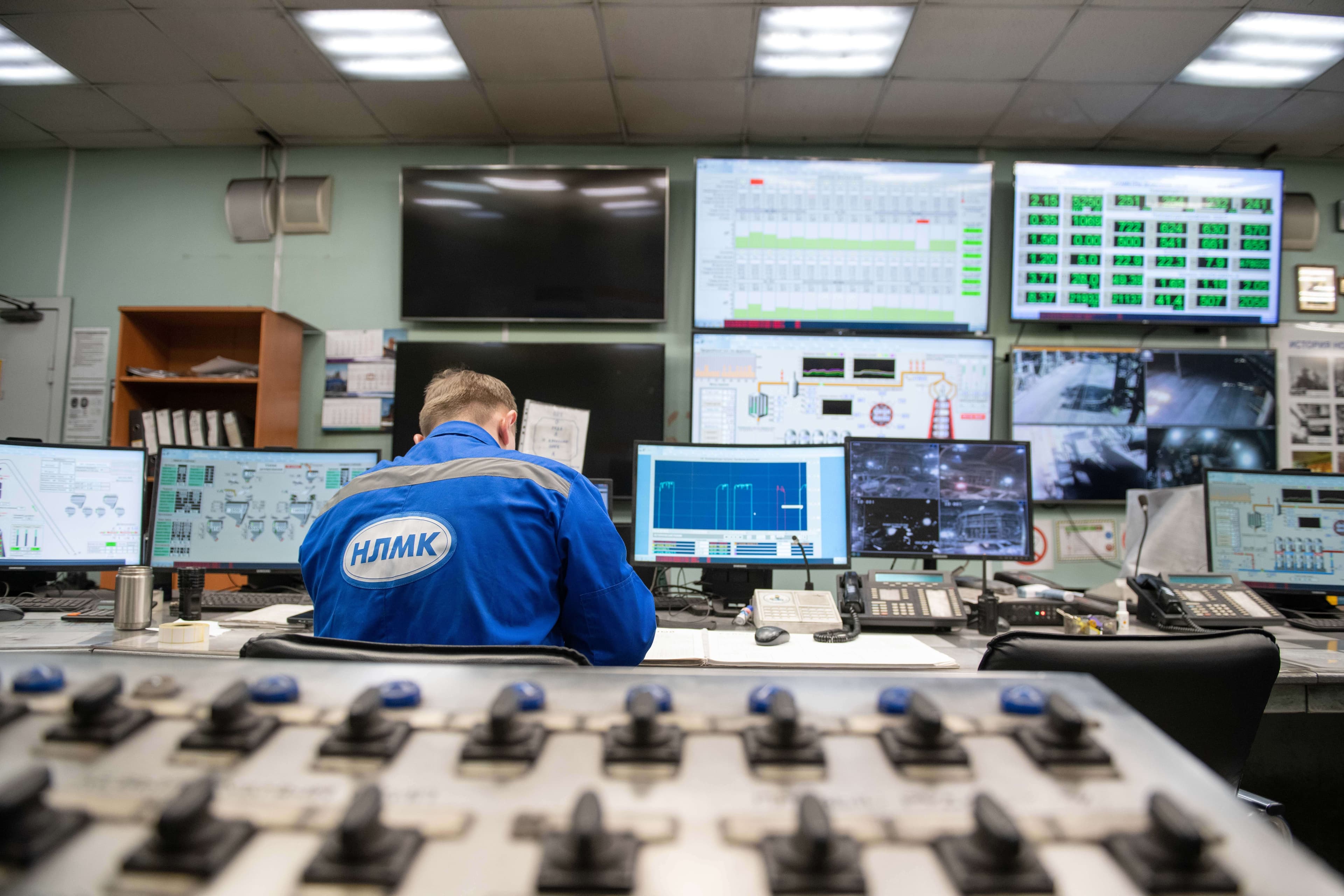
This is why CarbonM Fuelmax developed Alkanalyze as a core part of the platform, not an add-on. Alkanalyze uses inline sensor data and machine learning models to:
- Characterize feedstock: before it enters the reactor, predicting output quality from input properties
- Monitor reactor conditions: in real-time, detecting deviations before they affect output
- Predict output properties: during conversion, enabling proactive adjustments
- Optimize process parameters: to maintain target specifications across variable feedstock
The result is a closed-loop system where intelligence drives consistency — not just hardware.
What Changes
When waste-to-fuel systems can guarantee consistent output, the market opens up. Fuel blenders can commit to offtake agreements. Marine operators can approve the fuel for use. Certification bodies can establish standards. Investors can model reliable revenue streams.
Consistency isn't just a technical metric — it's the business enabler that the waste-to-fuel sector has been missing.
