
CarbonM Fuelmax
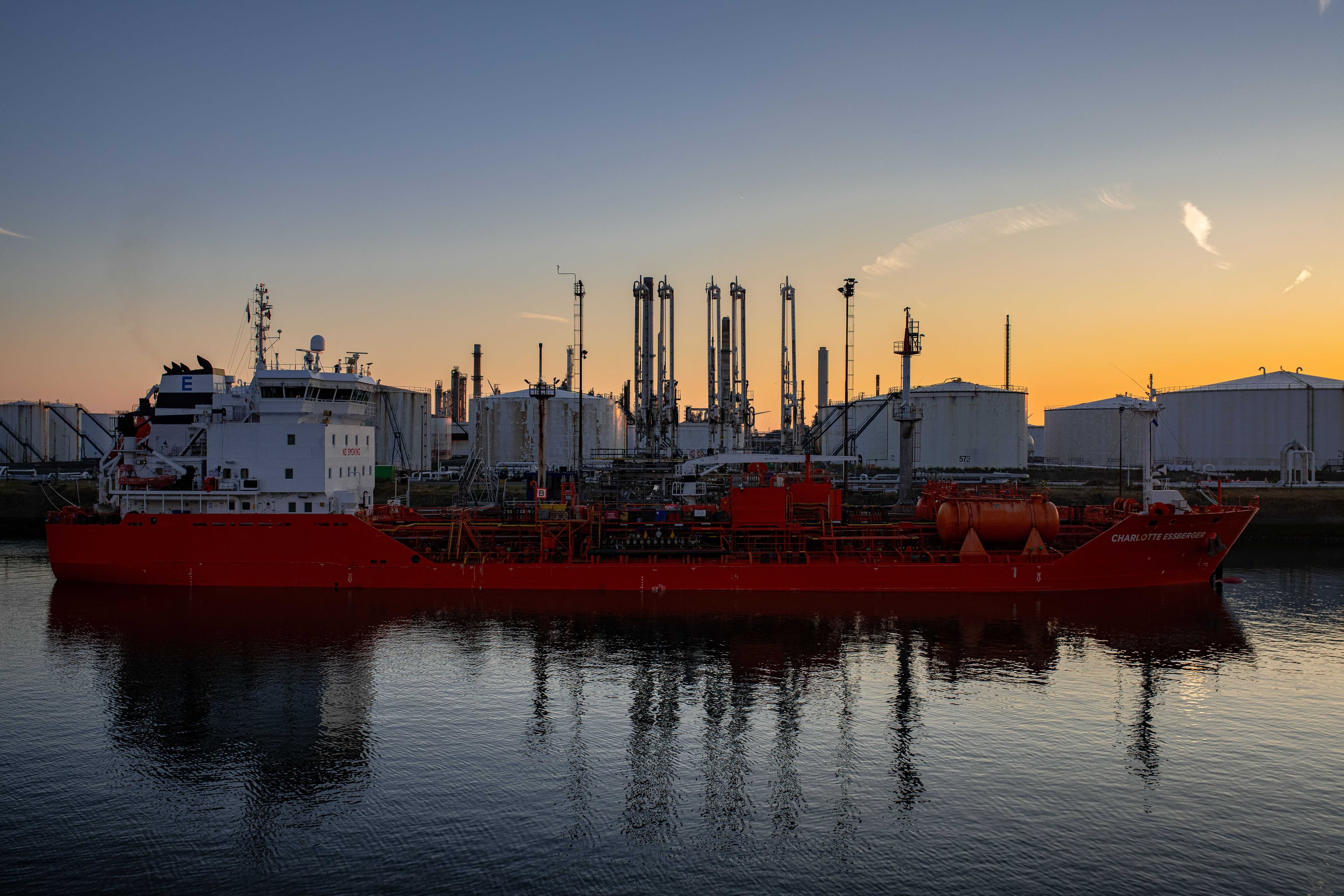
Cargo ship at sea representing marine fuel consumption
Back to ResourcesMarine Decarbonization

How Circular Fuel Can Support Marine and Industrial Decarbonization

May 20, 2026

The Hard-to-Abate Challenge

Not every sector can electrify. Marine shipping, cement production, steel manufacturing, and heavy industrial heating all require dense liquid or gaseous fuels that batteries cannot replace in the near term.

International maritime shipping alone accounts for roughly 3% of global CO₂ emissions. The IMO has set targets to reduce shipping emissions by at least 50% by 2050, but the pathways to achieve this remain uncertain.

Why Circular Fuel Matters

Circular fuel — produced from non-recyclable plastic waste rather than extracted from the ground — offers a practical intermediate step. It doesn't require new engine technologies or infrastructure overhauls. It can be blended with conventional marine fuels or used in industrial boilers and furnaces with minimal modifications.

The circular element is important: rather than extracting new fossil carbon, we're recovering carbon that's already in the system. This creates a more sustainable fuel cycle, especially for sectors where alternatives are decades away.

Quality Is the Barrier

The reason waste-derived fuels haven't scaled is not technology alone — it's consistency. Industrial and marine fuel buyers need predictable quality: consistent calorific value, controlled sulphur and chlorine content, stable viscosity, and reliable flash points.

This is exactly why CarbonM Fuelmax built Alkanalyze alongside Oleum V1. The conversion platform produces the fuel; the intelligence layer ensures it meets specifications batch after batch.

The Opportunity

For marine fuel blenders, industrial boiler operators, and cement plant managers, circular fuel represents an opportunity to reduce fossil fuel dependence while maintaining operational reliability. For the circular economy, it represents a practical use case for millions of tonnes of plastic waste that currently have no recovery pathway.

Decarbonization doesn't happen in a single leap. It happens through practical, scalable steps — and circular fuel from plastic waste is one of them.